Irina Tolkova
My goal is to develop practical, robust, adaptable tools to provide high-quality data for informing wildlife conservation efforts.
I am now a Postdoctoral Fellow at the Cornell K. Lisa Yang Center for Conservation Bioacoustics at Cornell University. I completed bachelor’s degrees in applied mathematics and computer science at the University of Washington, followed by a PhD in applied mathematics at Harvard University, where I worked on optimization, machine learning, and robotics.
My current research focuses on automated passive acoustic monitoring, with an emphasis on sound source separation and localization using microphone and hydrophone arrays. I'm very interested in expanding to other forms of conservation technology, and am also curious about broader computational methods towards sustainability and social impact.
If you'd like to talk, please feel free to reach me at itolkova [at] cornell [dot] edu!
Research
-
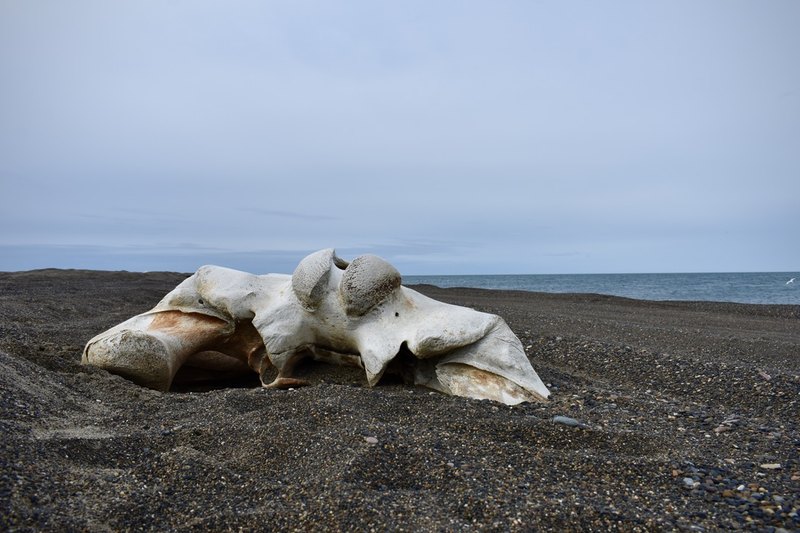 Marine Bioacoustics How can we detect, locate, and count marine mammals with arrays of hydrophones?
-
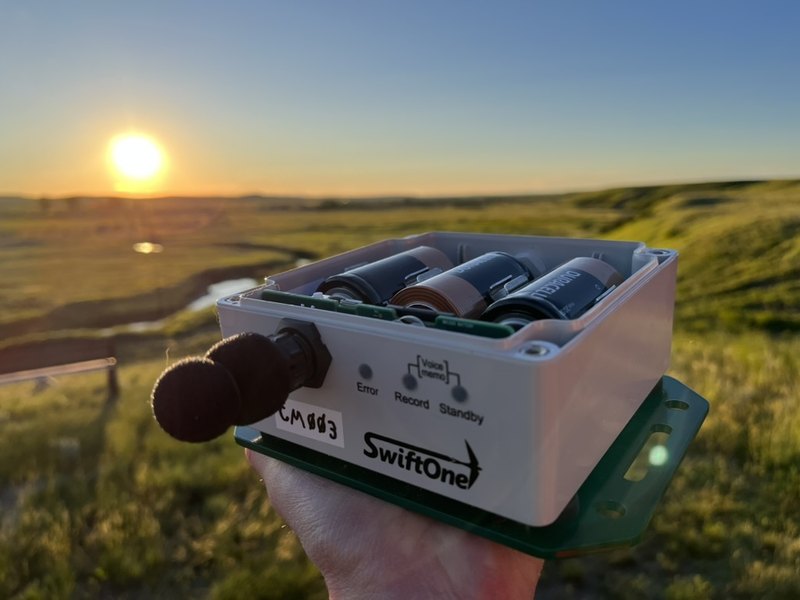 Terrestrial Bioacoustics How can we improve passive acoustic monitoring of birds and other vocal animals?
Demos
-
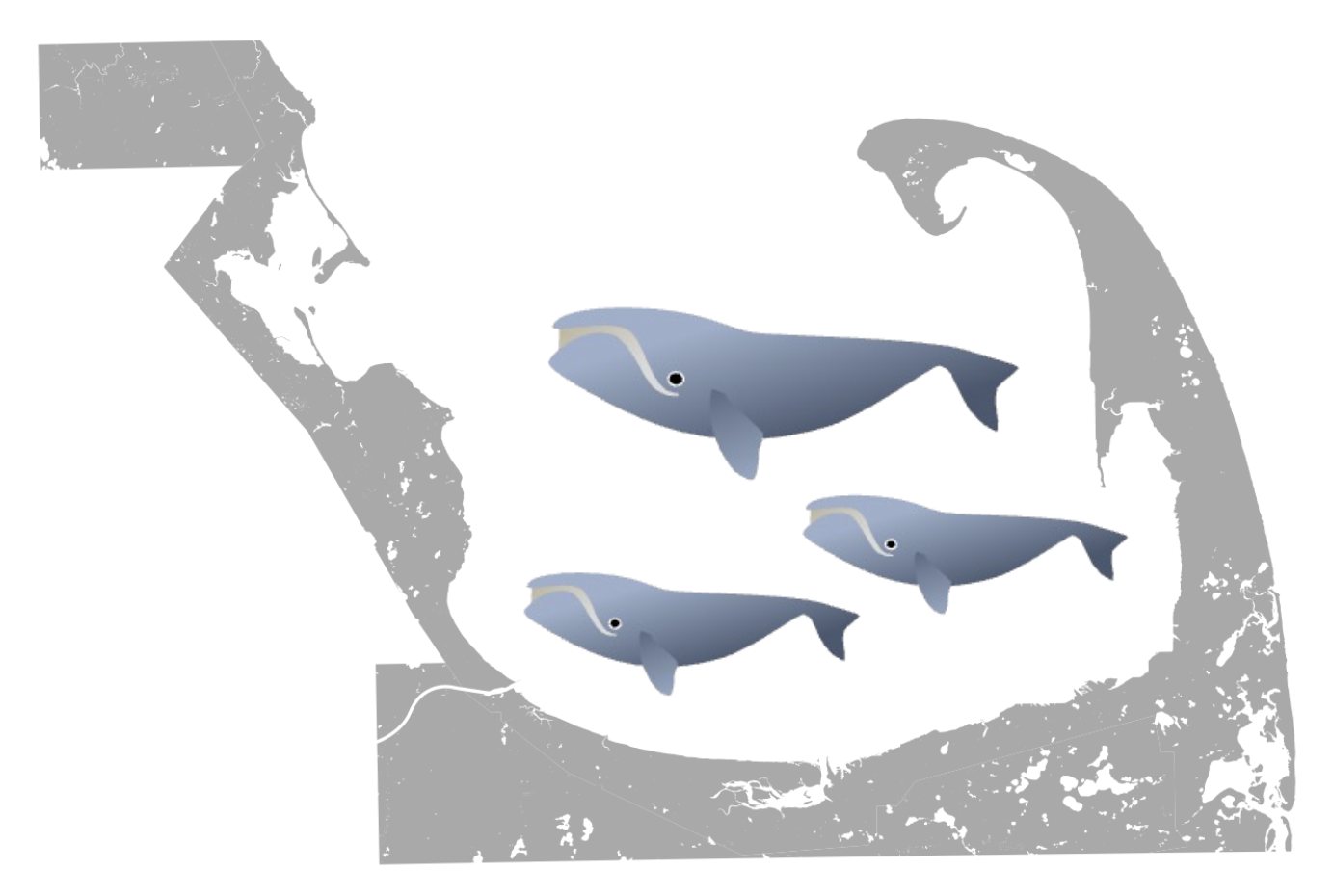
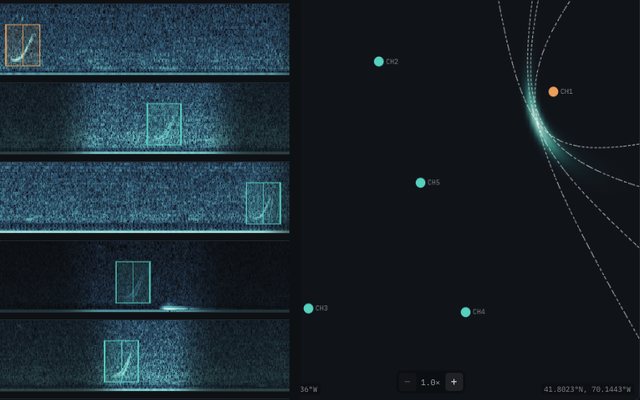 TDoA Localization How does time-difference-of-arrival localization work? Try out this interactive tool to visualize the geometry underlying localization, with an example right whale recording or your own synchronized audio.
-
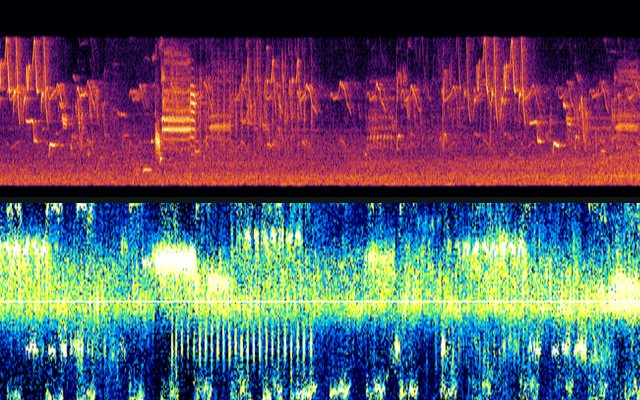 Source Separation Compact tetrahedral arrays can be effectively separate sound sources emitted from different directions. Try out this interactive tool to scan across through space, with a sample I recorded at a wildlife refuge in Colorado.
In the news
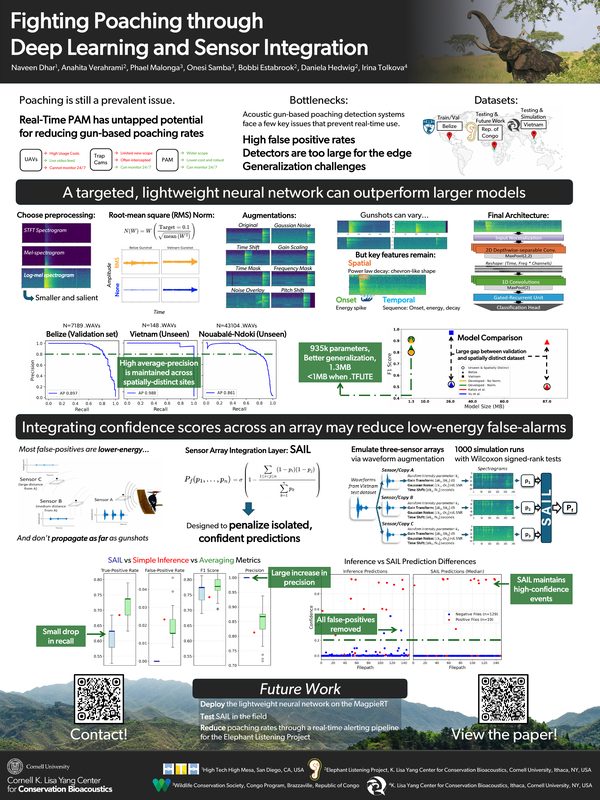
- Neural network helps detect gunshots from illegal rainforest poaching
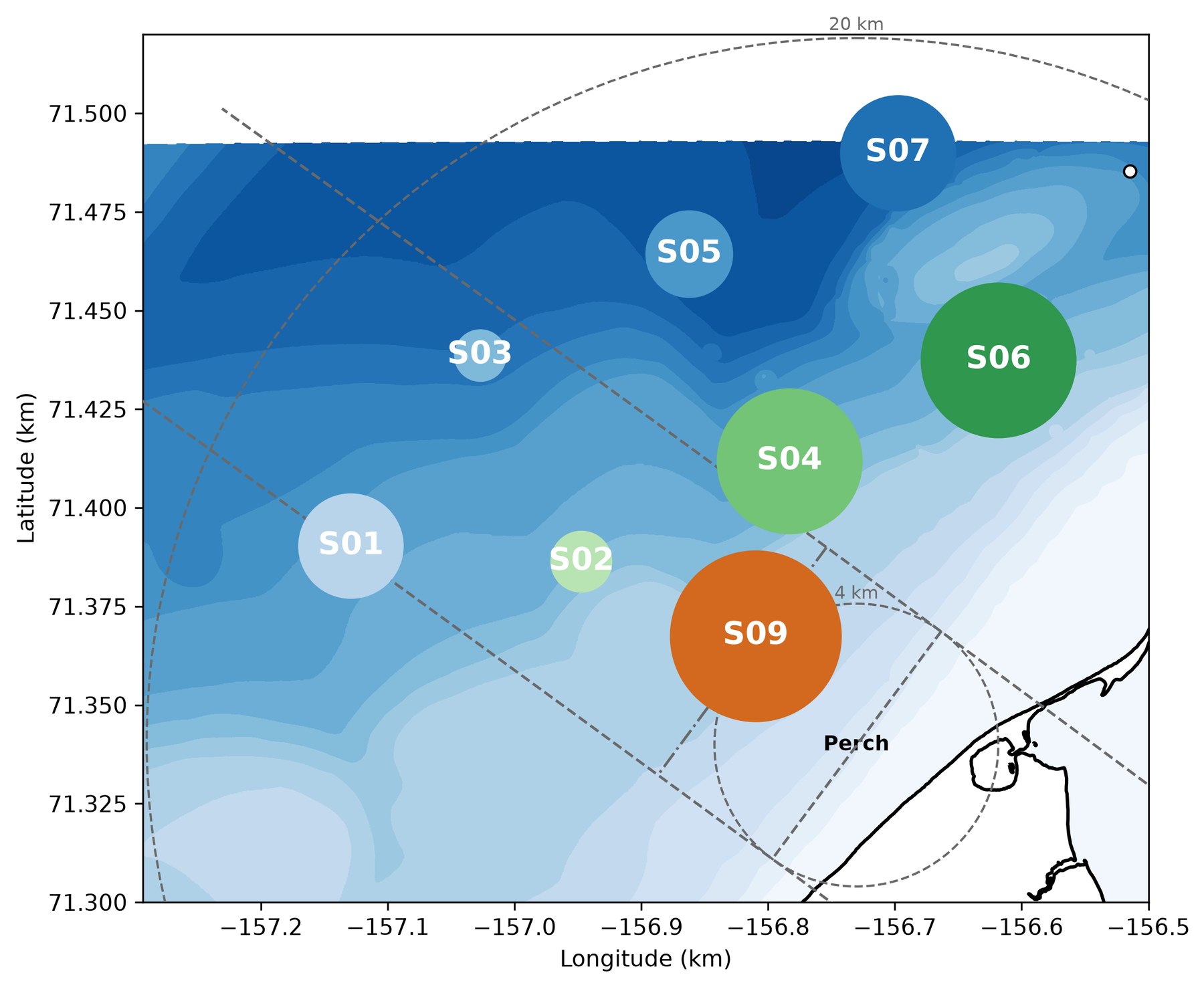
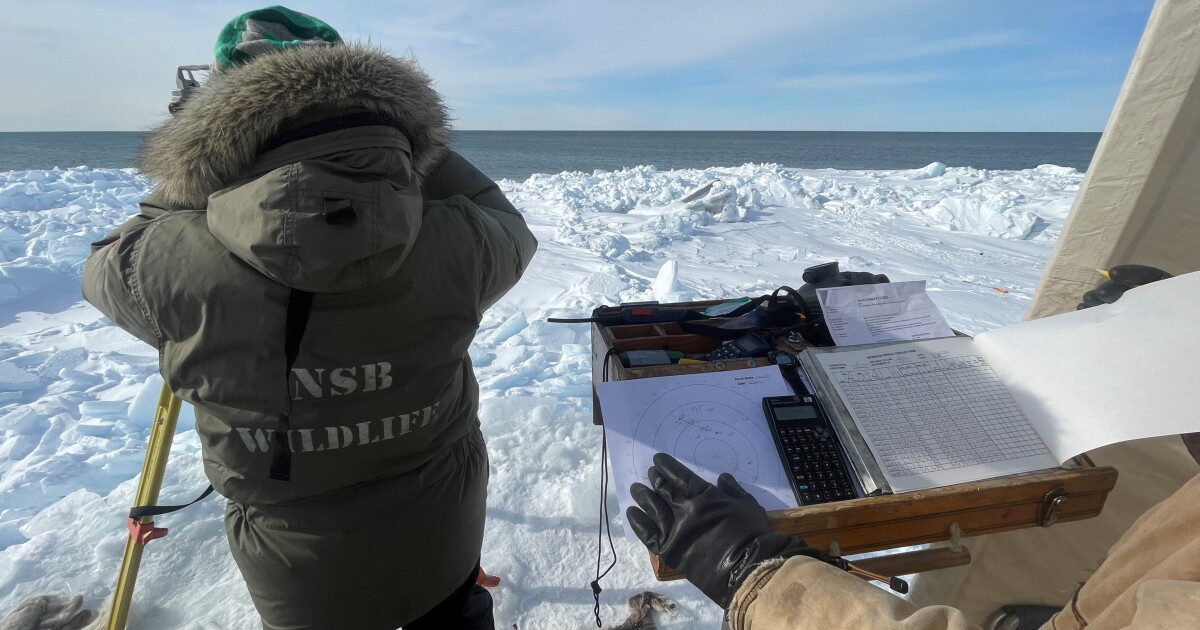
- Scientists and Inupiaq hunters count bowhead whales. So far, the numbers seem to be on the rise.
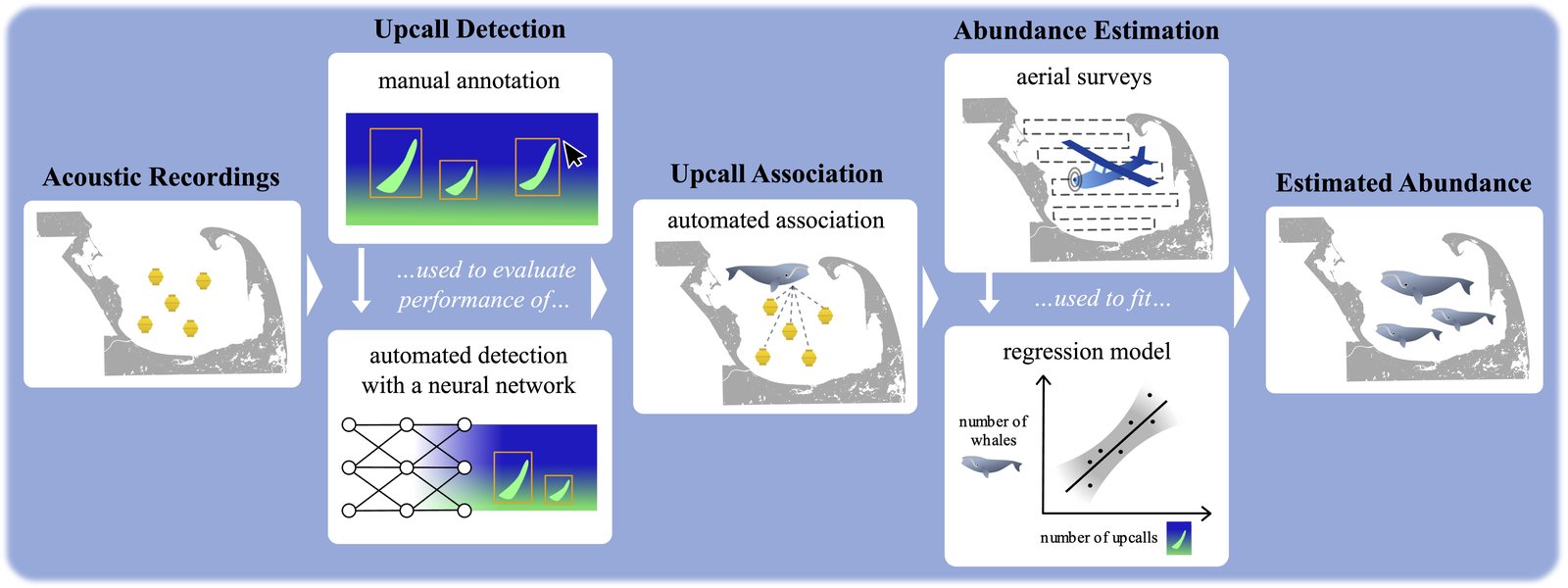
- Counting whales by eavesdropping on their chatter, with help from machine learning
- New study advances acoustic monitoring of endangered whale